By eliminating inefficiencies in design of experiments and bridging lab-to-production gaps, automation helps deliver faster outcomes, driving more therapies to patients.

Credit: illustrissima/Adobe Stock
Bringing a new treatment from initial discovery to full commercial manufacturing is a complicated, time-consuming task. Given the complexity and number of steps involved in successfully advancing a product candidate through the development pipeline, only a small percentage of treatments successfully achieve commercial production and distribution.
In fact, most new discoveries never proceed past the pre-clinical stage. The vast majority of candidates fail to reach market approval, so many promising therapies never reach the patients in need. This also means that the organization pursuing the treatment spends significant amounts of time, effort, and resources, often with little to show for their efforts and investment.
In general, this has simply been the accepted risk of operating in the life sciences industry. After all, not every treatment will be as viable as the initial discovery would suggest. However, a key element of success is minimizing lost opportunity cost. Every extra hour that teams waste determining that a given treatment is unsuccessful is an hour they could have spent on a treatment that will work.
Often, complexity of the design of experiment (DOE) phase and the challenges of technology transfer create roadblocks for what otherwise could have been a faster result, due to inefficiencies in the preclinical lab and recipe transfer processes that inhibit the progression of innovation.
To address this and related issues, modern, fit-for-purpose life sciences automation technologies can help organizations navigate the complexity of the treatment development pipeline at every stage, from preclinical lab-scale experimentation and process development to full-scale commercial manufacturing. Moreover, the most advanced modern solutions are designed to fit the smaller scale of the laboratory environment, while providing the flexibility to scale with a company’s growth, helping teams drive toward definitive outcomes as quickly as possible (Figure 1).
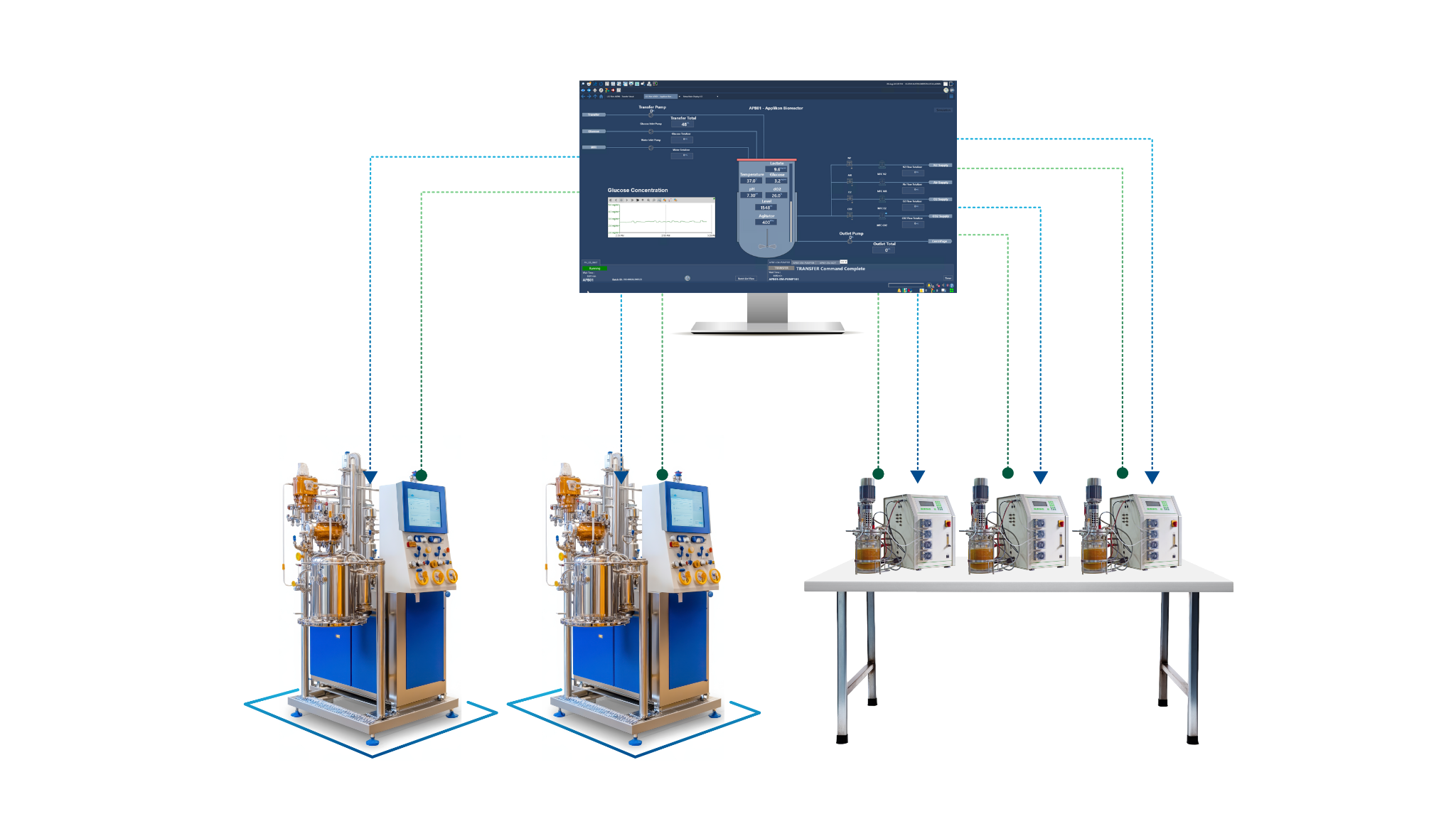
Figure 1: Digital technologies offer teams flexibility to help them scale more easily.
Complexities abound
Successfully leveraging automation in the preclinical lab begins with identifying and understanding challenges. One of the complexities that stymie efficiency in the lab is managing the set of disparate systems, typically sourced from multiple OEMs, and often operated via different interfaces. This forces a small lab team to manually coordinate these disparate systems just to define the DOE parameters for execution, often manually setting parameters in each system.
Then, during and after experiment execution, this team must also be able to manage all the data from these different systems and relate that data to any off-line testing results. Performing those tasks manually is a complex and time-consuming process. Today, many lab personnel are gathering unit operations-specific data and test results such as critical process parameters (CPPs), critical quality attributes (CQAs) and critical material attributes (CMAs) using some combination of spreadsheets, paper notebooks, chart recorders, or USB ports on the equipment.
It is a common sight in the lab to see personnel using a USB device to collect the data from the various sets of lab equipment. Although this is a digitalized manner of collecting data, it is problematic. A USB drive is not data integrity-friendly and it does not maintain the context of the data. Someone will still have to record significant amounts of external data that will need to be correlated with whatever is on the USB drive, adding time to the process and increasing the risk of error. And that all presumes that the USB drive does not fail at any point during the process, resulting in a loss of critical data.
If the team were following this process for a single experiment, it might be manageable. However, lab teams are typically setting up equipment and adjusting experiments in dozens of different ways, trying to discover which solution is the best. They will run an experiment one way, adjust parameters and run additional experiments to determine the best process that meets the quality target profile. Not only does the team need to manage various variables for each of those trials, but they also must manage records for all the different equipment, setpoints, materials, and more.
Furthermore, once these experiments are complete and the team has a solid design, they must have a mechanism to pass that information to clinical trials and, eventually, commercial manufacturing. If all the records are in spreadsheets and various notebooks, accomplishing that technology transfer multiple times becomes a herculean task, with tech transfer reports that are often generated manually.
Automation cuts through complexity
Life sciences organizations need to easily download and map their DOE parameters to the equipment and collect the data during the experiments, and automation is the solution. Modern automation technologies allow lab teams to automatically set parameters and capture the data from the process steps in real time.
Automation brings two major benefits with respect to data collection and transfer. First, teams eliminate the time spent creating or reassociating context for their data, so they can complete DOE steps faster. The most obvious benefits are apparent when treatments are viable, so they then progress to clinical trials and commercial manufacturing. For viable treatments, automation cuts through complexity, delivering standardized data that is automatically paired with its associated context.
Second, automation begets standardization, which simplifies the task of passing data to the next stage. Personnel in clinical trials or even manufacturing can more easily import data into their systems, eliminating the time wasted on data entry and conversion. In addition, standardization makes it easier to look back on critical DOE data when something unexpected happens during the next stage. Instead of tracking down the scientist, digging through file cabinets, or searching through spreadsheets scattered across multiple systems, teams can access historical data directly to quickly explore deviations and their potential implications.
Even when a team makes the greatest effort possible, some treatments simply are not viable; yet automation still provides critical benefits. Teams using automation to drive the most efficient DOE possible can fail fast. With fast access to data and rapid turnaround times for their many different tests, the teams can identify non-viable products and move on to other projects, without wasting more time or resources. Additionally, that data might be important for other potential future products and processes, so saving and standardizing it electronically creates potential value. These savings can often be significant, especially in smaller organizations where funding is tight.
Size is not a limiting factor
One of the common myths surrounding automation in the life sciences industry is that automation solutions, like a distributed control system (DCS) or a manufacturing execution system (MES), are only for massive, established pharmaceutical companies with large budgets. While that may have been true decades ago, modern, fit-for-purpose automation solutions are far more scalable and designed to grow with an organization.
In fact, today, automation brings value to organizations of many sizes by eliminating complexities. Consider a standard DOE process run in a large facility with dozens of benchtop bioreactors. At any time, a large manufacturer could potentially run 20 to 30 experiments in parallel. Using automated solutions makes it far easier to monitor critical parameters with context, and to then compare and contrast equipment, setpoints, and materials from different experiments.
In contrast, for a lab that has two bioreactors, running those 20 or 30 experiments may take months rather than weeks. They may be run by different people, and the experimental data will need to be collected, contextualized, and compared externally to the testing as the tests are run in series rather than in parallel.
Experiment-to-experiment comparison becomes significantly easier with automation. Removing the manual steps during and between experiments when they are run in series means cutting down on wasted time and eliminating the risk of human error corrupting the data. Small or large, labs can run all their experiments with the equipment they have, without worrying that they will lose context or control of their data (Figure 2).
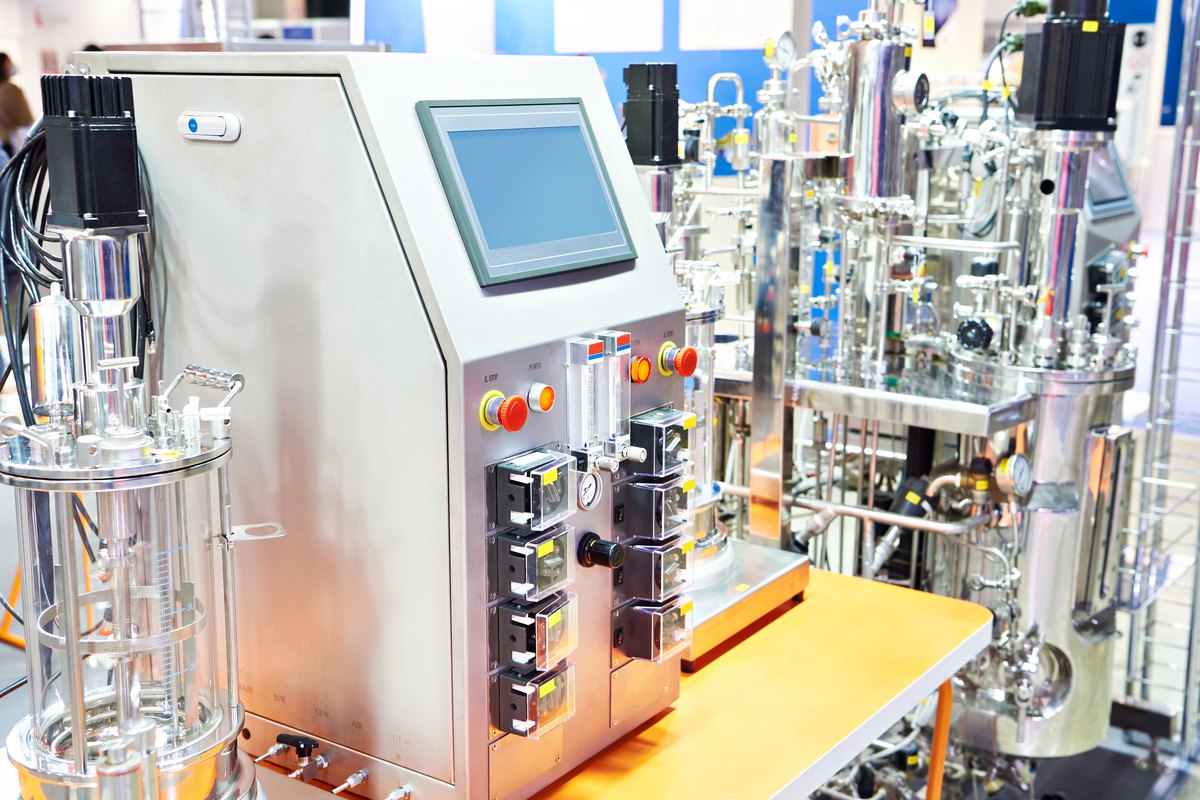
Figure 2: Teams of any size can benefit from automation. Credit: Sergey Ryzhov/Adobe Stock
Taking advantage of technology
There is a wide range of automation technologies that can help labs drive more efficient, effective DOE, while setting teams up for an easier transition to clinical trials and commercial manufacturing. For example, a modern DCS can help laboratory teams integrate disparate pieces of equipment via direct or supervisory control. The DCS can interface to all the smart instruments in the lab, not only for setting the sequence and experimental parameters, but also for collecting contextualized data from the experiments.
For example, users operating a bioreactor will need to feed media, inoculate it, manage growth, and more. All these steps must happen in the right order and each one generates critical data. The DCS is an essential tool to execute these steps, and to collect data with its associated context, helping drive fast outcomes.
Today, gaining these benefits does not require an organization to purchase a full-scale DCS solution. The most advanced automation suppliers provide scalable, fit-for-purpose life sciences-focused control technologies that let the company grow its automation as its needs grow. These flexible DCS solutions provide full functionality in a smaller, more affordable footprint, empowering labs to take advantage of the features they need without investing in technology they might never use.
Implementing a DCS also opens an organization up to additional technologies that can be beneficial to the development pipeline. Solutions like spectral process analytic technology (PAT) let teams take advantage of inline multivariate analysis to see the results of instruments in real time. Coupled with modern quality analysis modeling solutions, teams can much more quickly maintain processes within CPP and CQA ranges. Instead of collecting samples during or after experiments, and then waiting days for testing results, spectral PAT delivers test results in real-time so teams can compare those results against models to immediately generate insights.
Another advantage of leveraging a DCS is that the real-time data collected automatically becomes much more mobile. The most advanced modern DCS software is built around a boundless automation vision for seamless data mobility. This means that the data generated by the DCS, with its associated context, can be easily exported for use in other applications.
With a defined process, the information can now be used with Process Knowledge Management (PKM) systems to promote standardized recipe parameter management across clinical and manufacturing stages. This type of integration streamlines technology transfer, quality management, and scale-up processes throughout the product lifecycle.
All unit operation and parameter data stored in the PKM system can be easily accessed by other authorized personnel at any stage of the development pipeline, minimizing the need for complex, time-consuming, and error-prone data entry. This dramatically reduces the time spent on technology transfer from process development, through commercial manufacturing. The data can be easily accessed and shared across the enterprise, simplifying record keeping, quality management, equipment specification, and scale up and scale out (Figure 3).
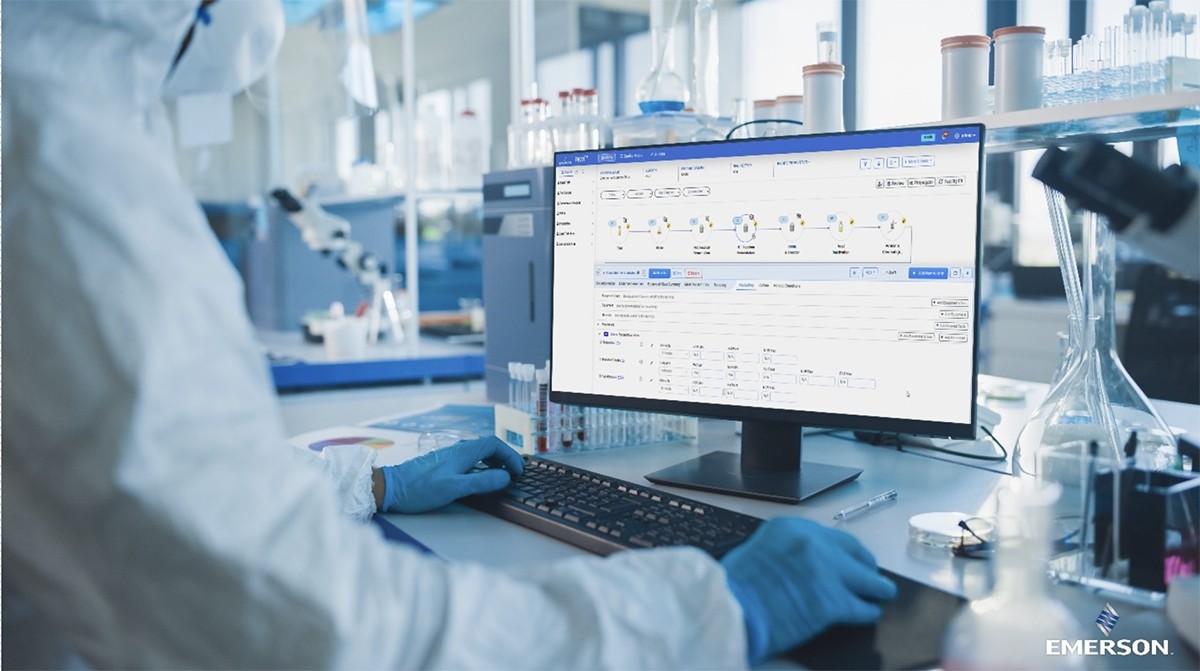
Figure 3: PKM software promotes standardized recipe parameter management across clinical and manufacturing stages.
Advanced technology drives success
Competition in the life sciences industry has increased dramatically in just the last few years. As organizations shift their strategies to compete in a global marketplace, they are looking for ways to reduce opportunity cost loss by increasing optimization and efficiency at every stage, including in preclinical DOE trials. Whether a large company is trying to run its DOE trials more effectively, or a startup is trying to catch the attention of possible investors as they bring their innovation through the earliest stages of development, automation is a critical differentiator for success.
Figures 1 and 3 courtesy of Emerson
About the author

Nathan Pettus
Nathan Pettus was named president of Emerson’s Process Systems and Solutions business in June 2021. As president, Pettus oversees a business that helps some of the world’s leading companies in a wide variety of industries leverage automation software and technologies to optimize operations, protect personnel and reach sustainability targets.
Pettus received a Bachelor of Mechanical Engineering degree from Tennessee Technological University, a master’s degree in Controls Engineering from University of Texas at Austin and holds a master’s degree in business administration from the McCombs School of Business at University of Texas at Austin.



Tell Us What You Think!